 thenutritionwatchdog.com What's in your food? Discover which "healthy" foods are harming your health and which foods protect your body
By: Mike Geary – Certified Nutrition Specialist and Author of The Diabetes Fix and The Truth About Testosterone
What the Microbes in Our Mouth and Pomegranate Have to do with Artery Plaque and Preventing Heart Failure
For years, we’ve been told that plaque buildup in arteries is just a natural part of aging or genetics. But what if that sticky sludge in your arteries started with what’s in your mouth?
A person’s oral health plays a bigger role in heart health than most people realize. And emerging research is showing that the pomegranate can help reverse some of the damage.
Let’s break it down:
The Oral Microbiome: More Than Just Bad Breath
Your mouth is home to over 700 species of bacteria, most of them beneficial. But others, like Streptococcus mutans and Porphyromonas gingivalis, can be major troublemakers.
These bacteria form biofilms that clings to teeth and gums. But they don’t just stay there.
When oral health is poor, these microbes can enter the bloodstream, triggering system-wide inflammation that can affect:
- Blood vessels
- Heart valves
- Brain function
- Immune response
In fact, researchers have found oral bacteria in arterial plaque, linking gum disease to atherosclerosis, heart disease, and even stroke.
What Is Arterial Plaque?
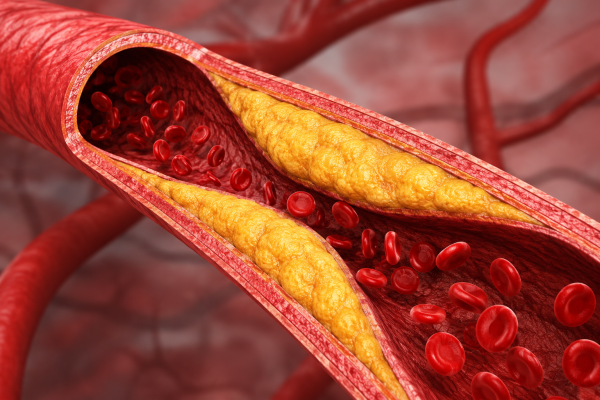
Just like dental plaque, arterial plaque is made of gunky substances that build up over time. It’s mostly:
- Oxidized LDL cholesterol
- Calcium from diet or supplements
- Dead white blood cells
- Inflammatory compounds floating around in the blood
- Pathogenic microbes from the mouth
This plaque builds up and narrows arteries, restricting blood flow, which is a recipe for heart attack or stroke.
Pomegranate—Nature’s Artery Cleanser

In a 2004 Israeli study, researchers gave patients with severe (70–90%) blockage, 1 ounce of pomegranate juice a day for one year. That’s not much.
The results?
A stunning 35% reduction in arterial plaque, while the placebo group saw a 9% worsening.
The pomegranate group also had:
- 21% drop in systolic blood pressure
- 21% drop in systolic blood pressure
- Improved blood flow
And that’s not all. Other studies have shown that pomegranate extract can reduce harmful oral bacteria, improve gum health, and lower inflammation.
The Mouth–Heart–Brain Connection
Bacteria that cause gum disease don’t just impact your heart. This bacteria has been found in the brains of people with Alzheimer’s disease.
This mouth-body connection is gaining traction in both mainstream and functional medicine, and it’s changing how we view plaque in all its forms. Oral health = Overall health.
How to Use Pomegranate for Better Health
- Drink unsweetened pomegranate juice daily, you only need 1–2 oz
- Brush with a probiotic toothpaste or rinse to balance oral flora
- Avoid mouth washes that kill germs!
- Floss daily, yes, it matters
- Avoid sugar and refined carbs, which stick to your teeth and feed plaque-forming bacteria
- Use xylitol gum or mints, which reduce harmful microbes
Bottom Line
Oral plaque and arterial plaque are more connected than you think.
Bacteria in your mouth can fuel inflammation throughout your body.
And pomegranate may help slow or even reverse that process.
It’s a powerful reminder that a healthy smile starts with a healthy body—and vice versa
With all of this said, if you want to prevent a deadly heart attack, you NEED to see this below…
“Most Heart Attacks Start Quietly… and It’s Not Cholesterol”
You could have normal blood pressure.
Normal cholesterol.
A clean stress test.
And still be walking around with a weakening heart muscle.
Because the real early trigger isn’t what most doctors focus on.
It’s a silent nutrient deficiency that standard labs don’t even test for.
And when levels drop too low, the heart’s electrical system becomes unstable.
That’s when problems happen — fast.
A Duke University physician explains how this overlooked deficiency could be affecting millions… and reveals a simple daily technique that may help support cardiac strength naturally.
Don’t assume you’re safe just because your numbers look good.
